shutter speed, iso and aperture
SHUTTER SPEED, ISO AND APERTURE
APERTURE:
Photo taken at aperture setting F2.8:
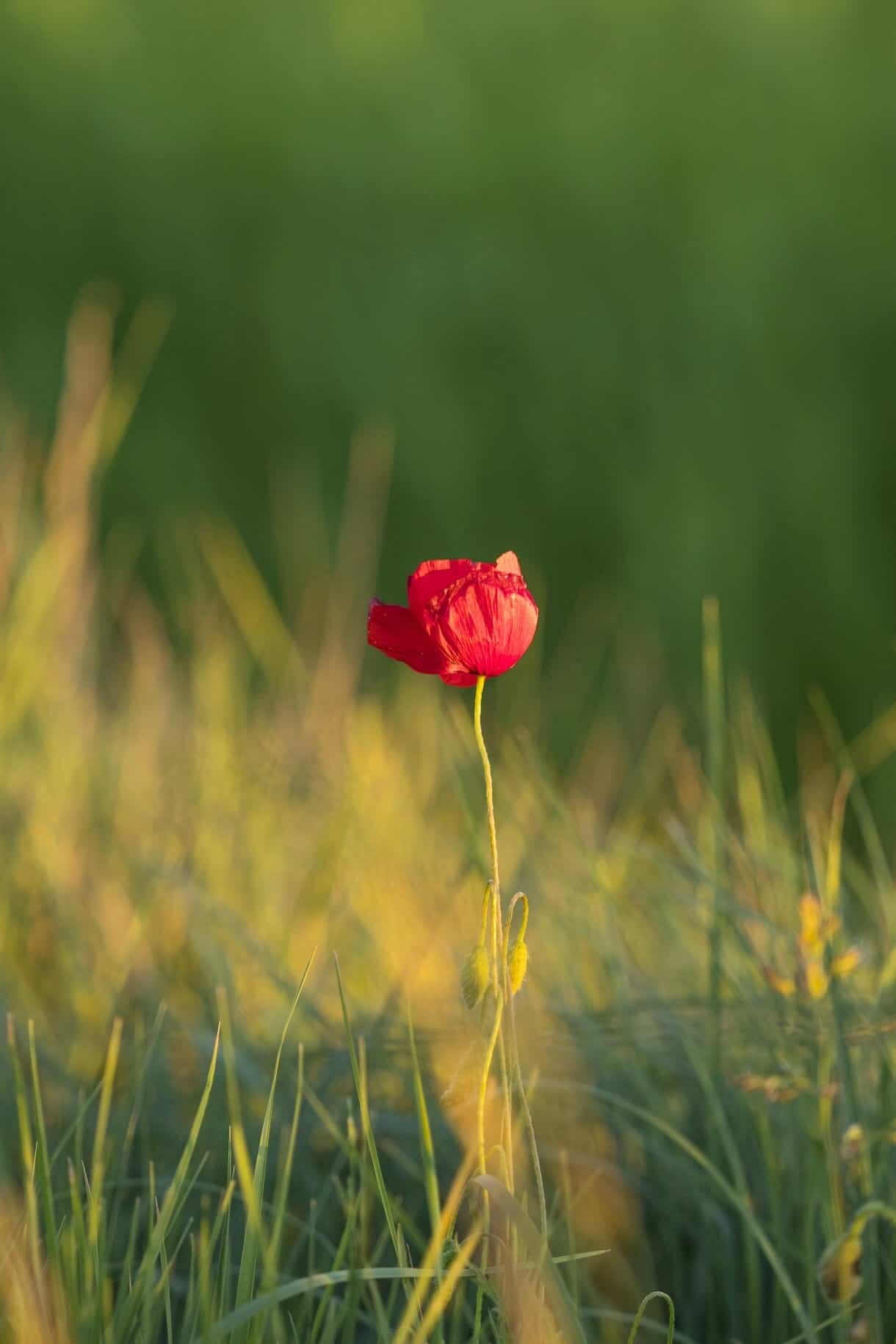
Photo taken at aperture setting F16:

1-The eyes closely relate to aperture as you move between bright and dark environments, the iris in your eyes either expands or shrinks, controlling the size of your pupil in the same way an aperture works.
2-The smaller the aperture the larger the depth of field and the smaller background blur , the larger the aperture the smaller the depth of field and the larger the background blur.
3-If there is a small aperture for example f/22 then the depth of field is large meaning there is not a huge exposure to light and there is no background or foreground blur. If there is a large aperture for example f/1.4 then the depth of field is small meaning there is a large exposure to light and you can see foreground and background blur.
SHUTTER SPEED:
Slow shutter speed:
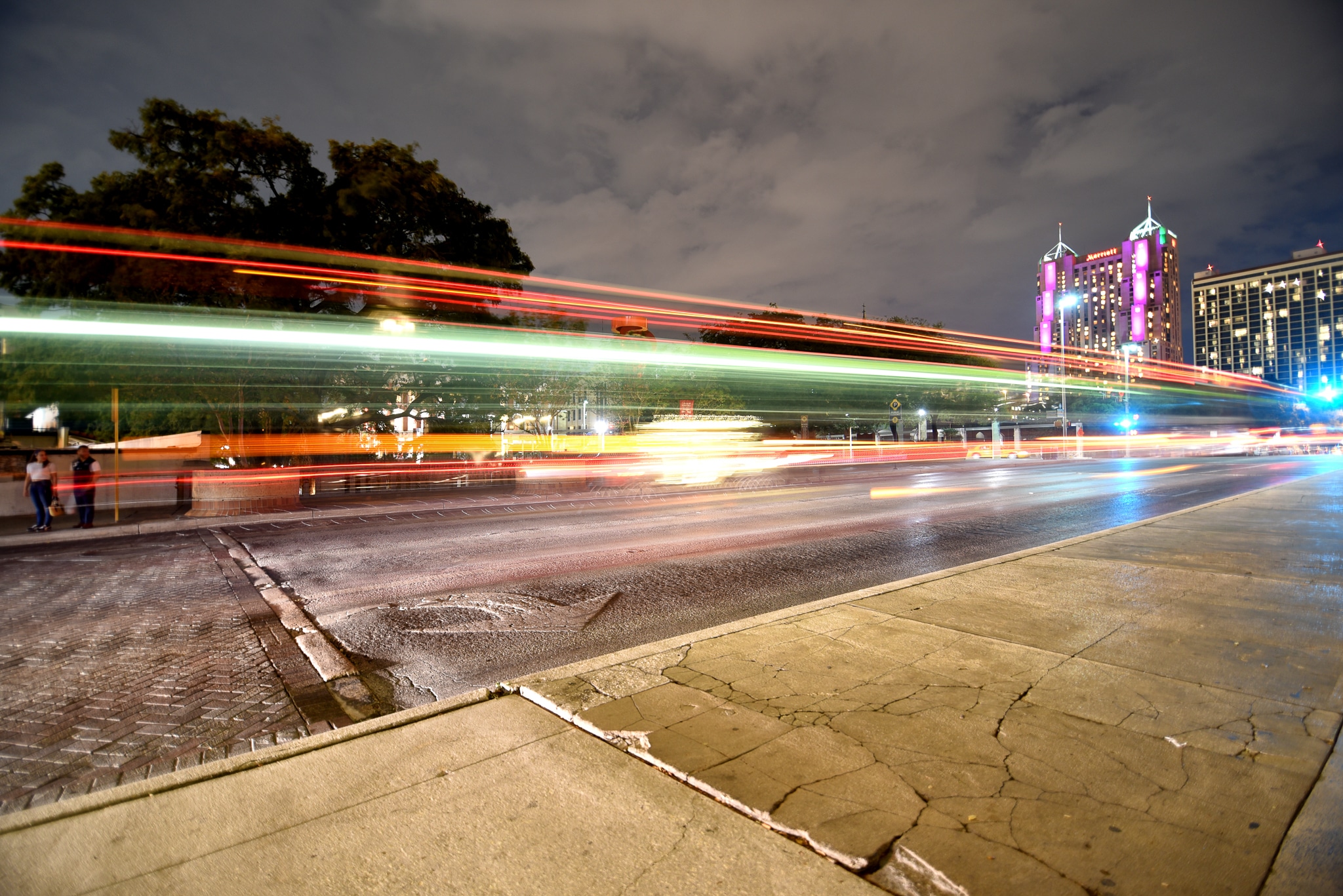
High shutter speed:

1-Beginning of the day:
a)slow
b)slow
c)fast
d)fast
e)slow
f)fast
End of the day:
a)long
b)long
c)long/fast
d)long/fast
e)long
f)long/fast
2-
Slow shutter speed: It is used in dim environments mainly at night while still being able to see everything.
Fast shutter speed: It is used to capture fast movement and is able to make the image appear frozen.
Long shutter speed: It is created to create motion but keeps surroundings sharp.
ISO:
ISO 200:

ISO 3200:

1-Capturing a picture at a high ISO at night helps reflect the light and shw the picture clearly despite of the darkness.
2-Lower ISO results in a smaller exposure to light (too dark).
3-Higher ISO results in a greater exposure to light (too light).
APERTURE:
Photo taken at aperture setting F2.8:
Photo taken at aperture setting F16:
1-The eyes closely relate to aperture as you move between bright and dark environments, the iris in your eyes either expands or shrinks, controlling the size of your pupil in the same way an aperture works.
2-The smaller the aperture the larger the depth of field and the smaller background blur , the larger the aperture the smaller the depth of field and the larger the background blur.
3-If there is a small aperture for example f/22 then the depth of field is large meaning there is not a huge exposure to light and there is no background or foreground blur. If there is a large aperture for example f/1.4 then the depth of field is small meaning there is a large exposure to light and you can see foreground and background blur.
SHUTTER SPEED:
Slow shutter speed:
High shutter speed:
1-Beginning of the day:
a)slow
b)slow
c)fast
d)fast
e)slow
f)fast
End of the day:
a)long
b)long
c)long/fast
d)long/fast
e)long
f)long/fast
2-
Slow shutter speed: It is used in dim environments mainly at night while still being able to see everything.
Fast shutter speed: It is used to capture fast movement and is able to make the image appear frozen.
Long shutter speed: It is created to create motion but keeps surroundings sharp.
ISO:
ISO 200:
ISO 3200:
1-Capturing a picture at a high ISO at night helps reflect the light and shw the picture clearly despite of the darkness.
2-Lower ISO results in a smaller exposure to light (too dark).
3-Higher ISO results in a greater exposure to light (too light).

Comments
Post a Comment